Cracks in Your Foundation? Get Emergency Foundation Crack Repair in Bristol, TN Today. Call Now: (866) 476-1348

Expert Foundation Crack Repair in Bristol, TN

A crack in your foundation is never just cosmetic. Left unaddressed, even a hairline fracture can admit water, allow radon, and eventually threaten the structural integrity of the entire building. Koppers Waterproofing stops damage at the source with permanent, engineered repair solutions for homeowners and commercial property owners across Bristol and throughout Bristol, TN.

🏗 Structural Specialists
👨‍🔧 Licensed Engineers
✓ 10-Year Warranty

Four Reasons Homeowners Trust Us First

When foundation integrity is at stake, experience, methodology, and warranty terms matter enormously. Here is what sets our repair approach apart.

🛠

Structural Engineering Expertise

Our technicians are trained in soil mechanics, load-bearing analysis, and crack classification. We do not just fill cracks; we diagnose root causes so repairs address the actual failure mode, not just the symptom.

🔍

Proprietary Crack Injection System

We use a low-pressure dual-component injection process that fully saturates the crack profile from face to back, creating a bond stronger than the surrounding concrete. Surface patching alone will not do.

🏠

Non-Invasive Repair Methods

Most of our repairs are completed from the interior without excavation, protecting your landscaping, driveway, and disrupting your family's routine as little as possible. Work is typically finished in a single day.

📋

Industry-Leading Warranty

We back every foundation crack repair with a transferable 10-year warranty on materials and workmanship. That guarantee stays with the property, adding real value when you sell.

Understanding Foundation Cracks: What They Mean and Why They Must Be Treated

Not every crack in a foundation wall requires emergency intervention, but every crack deserves a professional assessment. The challenge for most homeowners is that the visible surface of a crack tells only part of the story. What appears to be a narrow hairline fracture on the interior wall may actually be a through-crack with significant width at the exterior face, allowing water intrusion that never fully dries out and continuously degrades the concrete matrix from within. At Koppers Waterproofing, our first obligation is accurate diagnosis, because the right repair method depends entirely on understanding crack type, orientation, width, depth, and the underlying cause.

Types of Foundation Cracks

Hairline cracks, typically less than 1/16 inch wide, often form during the initial concrete curing process as the material shrinks. While frequently cosmetic, they can still admit water vapor and must be sealed to prevent moisture migration. Vertical cracks running straight up the wall are the most common type in poured concrete foundations and most commonly result from concrete shrinkage or minor differential settlement. They are often repairable with epoxy injection and carry a lower structural risk profile than horizontal cracks. Diagonal cracks, which run at an angle typically between 30 and 75 degrees, commonly originate at window and door corners where stress concentrates. They may indicate differential settlement, meaning one corner of the building is sinking faster than another, and should be monitored carefully or repaired promptly if widening. Horizontal cracks are the most serious category. They occur when lateral soil and hydrostatic pressure from the outside exceeds the tensile strength of the wall, causing the wall to bow inward. A horizontal crack in a block or poured wall with any measurable inward bow represents an active structural failure and demands immediate professional attention. Stair-step cracks, which follow the mortar joints in block or brick foundations in a stair-pattern, typically indicate differential settlement and can progress rapidly if the settlement continues.

Any crack that is actively widening, accompanied by wall bowing, or paired with water intrusion during rain events should be evaluated by a structural specialist within 72 hours. Delay increases repair complexity and cost significantly.

Root Causes of Foundation Cracking

Soil settlement is the most widespread cause. When the soil beneath and around a foundation compresses, shifts, or erodes unevenly, the concrete footing and walls experience differential movement that creates tensile stress and cracking. Expansive clay soils, common across many regions of Bristol, TN, swell when wet and contract when dry, creating cyclical movement that can gradually crack even well-built foundations. Frost heave, the upward displacement of soil during freeze-thaw cycles, places enormous upward pressure on footings and slabs during winter months in northern climates. Hydrostatic pressure from saturated soil or a high water table pushes inward on basement and crawlspace walls, eventually overwhelming the wall's designed lateral resistance. Concrete shrinkage cracking during the initial cure period is nearly universal and generally not a structural concern unless the crack allows water ingress.

Repair Methods: Epoxy vs. Polyurethane Injection

The two dominant injection repair methods serve different purposes, and choosing the wrong one produces a failed repair. Structural epoxy injection involves injecting a two-component, rigid-cure adhesive under controlled low pressure into the crack from a series of surface ports. When fully cured, epoxy creates a weld-like bond that is actually stronger in tensile strength than the surrounding concrete, restoring the wall's full structural capacity. Epoxy is the correct choice for dry, stable cracks where structural integrity must be restored. Polyurethane foam injection is the preferred method when water intrusion is the primary concern. The foam reacts with moisture inside the crack, expanding to fill the void and creating a flexible, waterproof seal. Because polyurethane remains flexible after curing, it accommodates minor future movement without re-cracking, making it suitable for cracks in dynamic conditions. For walls with active bowing, neither injection method alone is sufficient. Carbon fiber straps or fiber-reinforced polymer (FRP) panels are bonded to the wall surface to provide tensile resistance against further inward movement, while steel wall anchors driven horizontally into stable soil and connected to the wall provide active restraint and, in some soil conditions, can gradually straighten the wall over time with annual tightening.

Serving Bristol and communities across Bristol, TN, Koppers Waterproofing brings engineered solutions and honest assessment to every foundation evaluation. Our goal is to give every homeowner a clear picture of what they are dealing with, what options exist, and what a lasting repair requires. Call us at (866) 476-1348 to schedule your foundation assessment today.
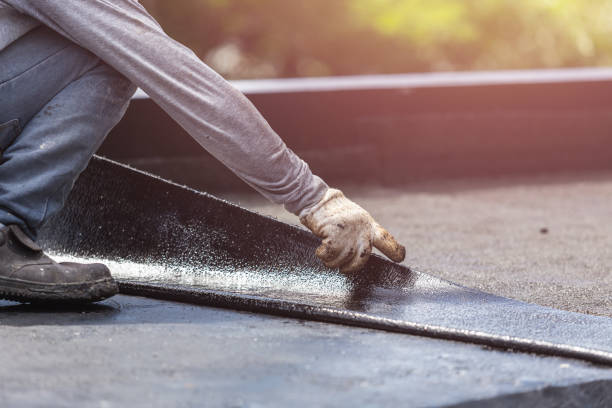
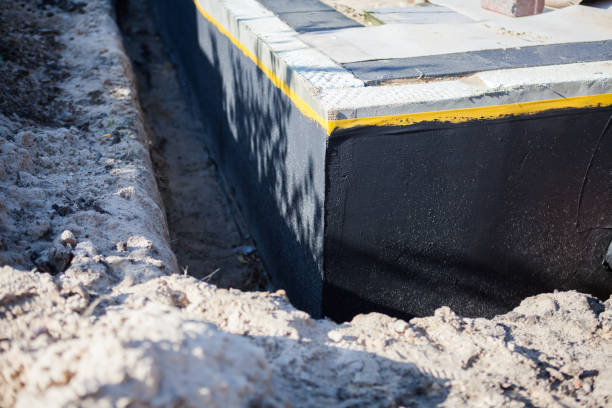
Foundation crack inspection in Bristol
Epoxy injection foundation crack repair
10+
Years of Foundation Repair Experience
100%
Transferable Warranty Coverage
24/7
Emergency Response Available

Foundation Crack Repair Solutions We Provide

Every foundation problem has an engineered solution. We offer a full range of repair methods to match the specific failure mode, severity, and long-term performance requirements of your property.

🔬

Epoxy Crack Injection

Two-component structural epoxy injected under low pressure restores full tensile strength to dry, stable foundation cracks. Creates a bond stronger than the parent concrete and is the gold standard for structural crack repair.

#link-epoxy-crack-injection#
💦

Polyurethane Foam Injection

Flexible expanding foam reacts with moisture inside the crack to create a permanent waterproof seal. Ideal for wet cracks or situations where minor wall movement is expected to continue after repair.

#link-polyurethane-foam-injection#
⛑

Carbon Fiber Wall Reinforcement

High-tensile carbon fiber straps bonded to bowing foundation walls halt further inward movement permanently. Minimal wall thickness impact, no excavation required, and installation is typically completed in under a day.

#link-carbon-fiber-wall-reinforcement#
👀

Steel Pier Underpinning

Push piers driven to load-bearing strata below the zone of soil movement provide permanent underpinning support for settling or sinking foundations. Load is hydraulically transferred from the unstable soil to solid rock or dense bearing layer.

#link-steel-pier-underpinning#
🔀

Helical Pier Installation

Screw-anchor piers installed with minimal disruption to the surrounding soil and structure, suitable for lighter residential loads and properties where vibration from driven piers must be avoided.

#link-helical-pier-installation#
🔗

Foundation Wall Anchors

Steel wall anchors driven horizontally through bowing walls into stable native soil outside the zone of disturbance. Provides immediate restraint and, with annual tightening, can gradually restore wall alignment over time.

#link-foundation-wall-anchors#

How Foundation Crack Repair Works

Our structured four-step process ensures that nothing is missed, every homeowner understands their options, and every repair is performed to a standard that holds for the long term.

1

Emergency Call and Dispatch

Contact our 24/7 line at (866) 476-1348. We triage your situation on the call and dispatch a specialist to your Bristol property, often same-day for urgent structural concerns.

2

Structural Assessment and Crack Mapping

Our specialist performs a thorough interior and exterior inspection, documenting every crack with width measurements, photos, and a wall-deflection survey. We identify root cause, not just visible damage.

3

Repair Plan and Pricing

You receive a written repair recommendation with clear method rationale and full pricing before any work begins. We explain why each method was chosen and answer every question until you feel confident in the plan.

4

Expert Repair and Permanent Seal

Our technicians execute the repair to specification, clean the work area, and provide you with the written 10-year warranty documentation. A post-repair inspection confirms the crack is fully sealed or reinforced before we leave the site.

What Homeowners in Bristol Are Saying

★★★★★

"We had two diagonal cracks in our poured basement wall that had been growing slowly for two years. The technician from Koppers Waterproofing came out within 24 hours of my call, explained exactly what was happening with the soil settlement beneath our corner, and performed epoxy injection that same afternoon. Six months later, not a trace of those cracks has reappeared. Worth every penny and genuinely relieved our family's anxiety about the house's safety."

MR
Marcus R. Bristol, TN
"I noticed a horizontal crack forming in my block foundation wall with a slight inward bow. I was terrified it was a major structural failure. The Koppers Waterproofing inspector was thorough, honest, and didn't try to upsell me on work I didn't need. They installed carbon fiber straps and wall anchors, explained the annual tightening schedule, and gave me a warranty I can actually transfer when I sell. The peace of mind alone was worth it."
★★★★★
TL
Tamara L. Bristol homeowner
★★★★★

"Every spring our basement would get a small amount of water seeping through a crack near the floor-wall joint. We tried hydraulic cement twice over the years and it always failed by fall. Koppers Waterproofing used polyurethane foam injection and addressed the drainage issue simultaneously. Completely dry through this past winter and the rainy spring season. Should have called them years ago instead of fighting it myself."

DJ
Dennis J. Bristol, TN

Foundation Crack Repair FAQ

Vertical cracks run straight up and down a foundation wall and most commonly result from concrete shrinkage during curing or minor differential settlement. While they can allow water seepage and should be sealed, they typically do not compromise the wall's structural capacity unless they are very wide or actively growing. Horizontal cracks, by contrast, run parallel to the ground across the wall and indicate that lateral soil pressure or hydrostatic pressure is pushing the wall inward. This is a direct structural loading failure, and horizontal cracks accompanied by any measurable inward bow are considered a serious structural concern requiring prompt professional evaluation and repair. A wall with a horizontal crack and inward bow will continue to move if not stabilized, potentially progressing to collapse in severe cases.
The choice between epoxy and polyurethane depends primarily on two factors: whether the crack is dry or wet, and whether the goal is structural restoration or waterproofing. Structural epoxy injection is the correct choice for dry, stable cracks where restoring the tensile strength of the wall is the priority. Cured epoxy is stronger in tension than the surrounding concrete, effectively re-bonding the two sides of the crack into a single structural unit. However, epoxy requires a dry substrate to bond effectively and does not flex. Polyurethane foam injection is preferred when the crack is wet or damp, when water intrusion is the primary complaint, or when the wall may experience minor future movement. Polyurethane reacts with moisture to expand and cure into a flexible, waterproof seal. A crack that is actively leaking during rain may require polyurethane even if structural restoration is also needed. In some cases, our technicians use both materials in sequence.
Foundation crack repair costs vary considerably based on crack type, length, depth, the repair method required, and site-specific conditions. A straightforward epoxy or polyurethane injection repair for a single shrinkage crack in a poured concrete wall is generally among the more affordable foundation repairs. Carbon fiber strap installations for bowing walls, helical or push pier underpinning for settling foundations, and wall anchor systems involve more materials and labor and carry a higher investment. We provide written, itemized estimates before any work begins, with no obligation, so you can make an informed decision. We also discuss any relevant factors that could affect cost once we see the actual condition of the wall. Call (866) 476-1348 to schedule a free evaluation for your Bristol property.
When performed correctly to address both the crack symptom and the underlying root cause, professional foundation crack repairs are designed to be permanent. Epoxy injection repairs on stable, dry shrinkage cracks typically last the lifetime of the structure when the repaired crack is not subjected to new movement forces. Carbon fiber reinforcement systems, wall anchors, and underpinning solutions are engineered to permanent specifications and include long-term warranties. The key variable is whether the root cause of cracking has been addressed. A crack caused by ongoing differential settlement that is only surface-filled without underpinning will re-crack. This is why root cause diagnosis is the essential first step in our process. Koppers Waterproofing backs all our repairs with a transferable 10-year warranty that gives you and future owners of your property documented protection.
Several signs indicate that a foundation issue has moved beyond the monitoring stage and requires prompt professional assessment. Any horizontal crack in a basement wall, especially one accompanied by inward bowing or deflection, is a high-priority concern. Cracks that are actively widening, meaning measurably wider than they were months ago, indicate ongoing movement. Doors and windows that have recently started sticking, binding, or no longer close squarely often indicate differential settlement affecting the structural frame. Visible gaps between the wall and the floor or between the wall and the ceiling suggest significant vertical movement. Water intrusion through cracks, particularly during heavy rain or snowmelt, compounds structural damage over time through freeze-thaw cycling and erosion. If you observe any combination of these signs at your Bristol property, do not wait. Call Koppers Waterproofing at (866) 476-1348 for same-day evaluation when conditions are urgent.
Small, static hairline cracks that show no evidence of widening, no water seepage, and no associated wall deflection can often be monitored with periodic measurement rather than immediately repaired. The practical approach is to mark the ends of the crack with pencil, note the date, and re-check every three to six months. If the crack remains stable in width and length over a full year, it is likely a historical shrinkage crack. However, ignoring even a hairline crack is only appropriate if you are actively monitoring it. Unmonitored cracks that gradually widen over several years and then admit water have done far more damage to the concrete's integrity than a crack that was sealed promptly. Additionally, any crack, however small, that allows water to reach the concrete's reinforcing steel begins a corrosion process that progressively weakens the wall. Sealing hairline cracks is a modest investment that prevents a much larger repair requirement later.

Stop Foundation Damage Before It Spreads

Cracks widen, walls bow further, and repair costs grow with every season of delay. Get a professional foundation assessment for your Bristol property today. Our structural specialists are ready to respond quickly.

Our Services in Bristol, TN

📞 Call Now
🟢 Techs On Duty in Bristol, TN Call +1-866-476-1348